Why Atlanta Keeps Growing While Big Cities Stall
Metro Atlanta is set to add nearly 2 million people by 2050, and unlike the coasts, it has room for them. Here's what that means for North Atlanta buyers.

Get the Most from Your Home Sale. Start with a casual chat to craft a plan as unique as your home’s story. Book a Call
Worried you waited too long to buy in North Atlanta? Here’s the part that rarely makes the headlines: plenty of well-known cities are flattening out or even losing people, while metro
Atlanta is projected to add close to 1.8 million residents over the coming decades, and we’ve actually got the land to absorb them.
So before you decide the moment has passed or write the whole thing off as boosterism, let me lay out what’s genuinely fueling this and where it’s really flowing to, which tends to surprise people.
Let’s start with the actual figure. The Atlanta Regional Commission expects metro Atlanta to reach roughly 7.9 million people by 2050, up about 1.8 million from the 6.1 million counted in 2020, which would move us into sixth place among U.S. metros and bring somewhere north of 850,000 new jobs. Here’s the honest footnote: the long-range pace is projected to ease compared with earlier forecasts; the newest outlook sits well below what was predicted a few years ago, and that reflects a national slowdown, not an Atlanta stumble.
The region still added tens of thousands of residents in the latest annual count. What separates Atlanta from the cities that are stuck is that its growth rests on things that can’t simply be relocated, and it’s flowing toward areas with the space to accommodate it.
The first pillar is a job base that’s varied and still expanding. This is what gives the growth durability. Because Atlanta doesn’t hang its fortunes on any single industry, it can absorb a bad year in one sector without buckling, and its recent wins are fresh, not dated.
This year, a global biopharmaceutical company committed to a $2 billion life-sciences manufacturing campus in Gwinnett County, the largest investment in that county’s history and one of the biggest of its kind the state has seen. Georgia has also been drawing corporate investment at a near-record clip; the state logged a record $26.3 billion in new business commitments last fiscal year, one of the strongest years on record.
Commitments on that scale don’t hand a community a couple years of paychecks, they anchor decades of them, and every one of those hires has to live somewhere.
The second pillar is the one most rival cities simply can’t replicate: Atlanta still has somewhere to put people. Picture San Francisco or New York, hemmed in by ocean, mountains, and zoning, and watch what happens to prices when a place physically can’t add housing: they rocket, and ordinary families get shut out. Atlanta isn’t fenced in that way. We can keep bringing new homes online as newcomers arrive, and that’s the biggest single reason our prices never went as unhinged as the coasts did.
For you as a buyer, that’s not a small thing. It means fewer 30-offer scrums on every listing worth having, and a real pipeline of new inventory. Having room to build sounds dull, right up until you’ve tried living somewhere that ran out of it.
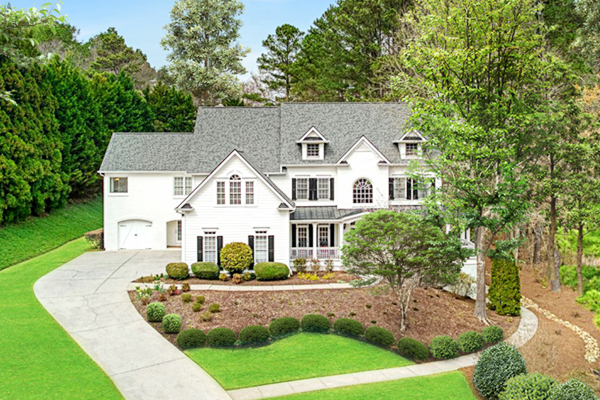
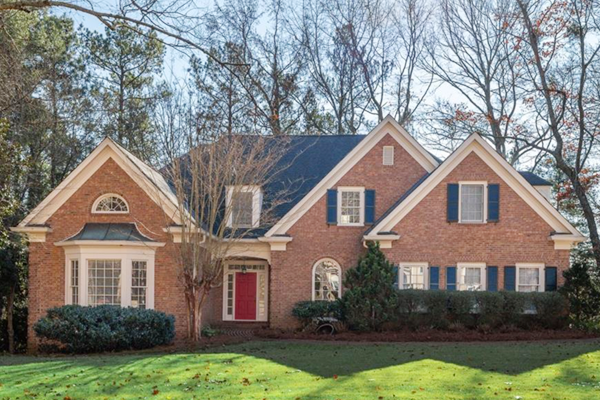
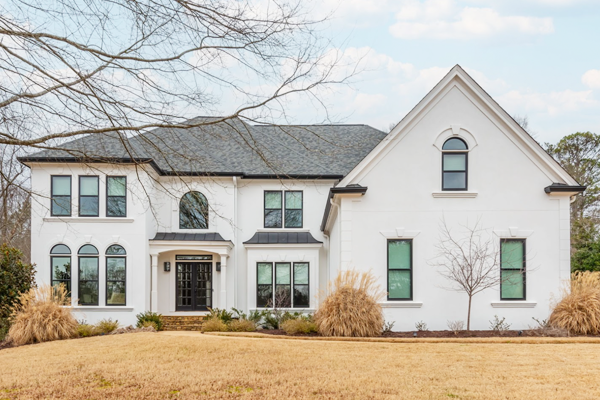
The third pillar is the piece people routinely misread: most of this growth is settling in the suburbs, not the city center. The households that power long-term housing demand, millennials in their thirties and forties starting families, are picking the northern suburbs for the schools, the elbow room, the backyard.
So did the window close on you?
Not even a little. Atlanta’s growth is real; it’s anchored in jobs and buildable land that most metros can’t imitate, and it’s aimed squarely at the northern suburbs. It doesn’t have to be a mania, and it isn’t one; it only has to keep being a place where people can actually afford to plant roots while other cities stall.
If you’re trying to work out whether the timing is right for you, and which slice of North Atlanta fits your family and your budget, that’s precisely what I help with. Call or text me at 470-748-3349, email me at susie@susieuhlich.com, or visit blog.susieuhlich.com. Let’s figure out where you land in all of this, before the next wave arrives.
-
Get the Most from Your Home Sale. Start with a casual chat to craft a plan as unique as your home’s story. Book a Call
-
Free Home Valuation. Don’t trust a Zestimate. Get a personalized home valuation directly from Susie. Get Estimate
-
Free Newsletter. Get our latest Q&A, insights, and market updates to make smarter decisions. Subscribe Now